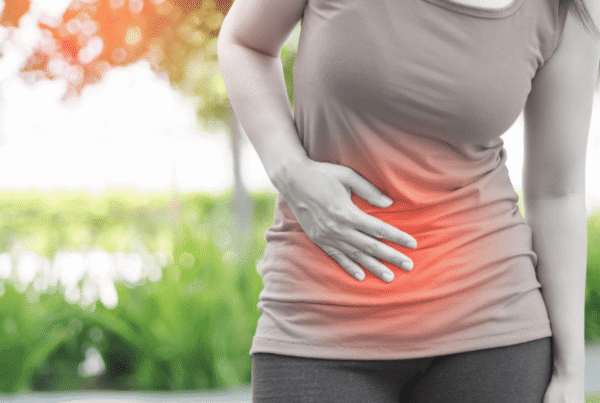


Abdominal bloating can have many causes, but when fullness or enlargement continues, uterine fibroids may be one possible explanation. Fibroids are noncancerous growths that can cause heavy menstrual bleeding, pelvic pain, pelvic pressure, bloating, frequent urination, and fatigue. Southern California Vascular Institute provides fibroid diagnosis, management, and uterine fibroid embolization (UFE) for women with symptomatic fibroids.
Larger or multiple fibroids can increase the size of the uterus, creating a sense of pressure, fullness, or enlargement in the abdomen and pelvis. Depending on their size and location, fibroids may also press against nearby structures and contribute to constipation, frequent urination, or discomfort.
For some women, this increased uterine size can make the abdomen appear larger or feel persistently swollen. Because bloating and abdominal enlargement have many possible causes, however, ongoing symptoms should be evaluated rather than automatically attributed to fibroids.
Southern California Vascular Institute offers fibroid evaluation and treatment using modern imaging and personalized care. Its services include fibroid management and UFE, a minimally invasive procedure that reduces blood flow to fibroids so they shrink over time.
Persistent abdominal symptoms should not automatically be blamed on fibroids. A medical evaluation can help determine whether fibroids are present and whether their size, number, or location may be contributing to the symptoms.
How Can Fibroids Cause Abdominal Bloating?
Uterine fibroids develop in or around the muscular tissue of the uterus. They are noncancerous growths, and not every woman with fibroids has symptoms. When symptoms do occur, they can include heavy or prolonged menstrual bleeding, pelvic pain, pelvic pressure, bloating, frequent urination, and fatigue.
Fibroids can contribute to bloating and abdominal fullness by increasing the overall size of the uterus. Larger fibroids or multiple fibroids may occupy additional space within the pelvis and place pressure on surrounding structures. Some women notice persistent fullness or pressure, while others see a visible change in the size or shape of the lower abdomen.
The location of a fibroid can also influence symptoms. Pressure on the bladder may contribute to frequent urination, while pressure near the bowel may contribute to constipation or a sensation of pelvic fullness. These are often described as bulk symptoms because they result partly from the physical size and position of the fibroids.
Not every fibroid causes symptoms, and abdominal bloating alone does not confirm that fibroids are responsible. Imaging and clinical evaluation can help determine whether fibroid size, number, and location correspond with the symptoms a patient is experiencing.
Pelvic or abdominal pressure can be another sign of symptomatic fibroids, particularly when fibroids are large or multiple growths increase the size of the uterus. Symptoms alone cannot determine whether treatment is necessary, however. Some women have fibroids without significant discomfort, so treatment decisions are based on symptoms, imaging findings, medical history, and individual goals rather than the presence of fibroids alone.
Also Read: Uterine Fibroid Embolization: A Minimal-Disruption Path to Predictable Periods
When Does Fibroid-Related Bloating Mean Treatment May Help?
Treatment may be considered when fibroid-related bloating, pressure, bleeding, pain, or other symptoms become persistent, disruptive, or interfere with daily activities. Having fibroids does not automatically mean treatment is necessary.
Evaluation can help determine whether fibroids are responsible for the symptoms and whether treatment may be beneficial. Imaging provides information about the number, size, and location of fibroids, while the patient’s symptoms, medical history, and treatment goals help guide the next step.
Treatment approaches can include:
- Observation: Women with mild or absent symptoms may be monitored rather than treated immediately.
- Medication: Medication may help manage certain symptoms, including heavy menstrual bleeding, but does not necessarily remove fibroids.
- Myomectomy: A surgical procedure that removes fibroids while leaving the uterus in place.
- Hysterectomy: Surgery removes the uterus and therefore eliminates the uterus in which fibroids develop.
- UFE: A minimally invasive procedure that reduces blood flow to fibroids, causing them to shrink over time.
The appropriate treatment depends on symptoms, fibroid size and location, medical history, treatment goals, and reproductive plans. UFE preserves the uterus, but patients who are planning future pregnancy should discuss fertility goals and the relative benefits and limitations of UFE, myomectomy, and other options with their physicians before choosing treatment.
How Uterine Fibroid Embolization May Relieve Bloating and Pressure
Uterine fibroid embolization, or UFE, is a minimally invasive treatment that reduces blood flow to uterine fibroids. Southern California Vascular Institute explains that a small catheter is guided to the uterine arteries using real-time imaging. Tiny embolic particles are then delivered to block blood flow to the fibroids, causing them to shrink over time.
As the fibroids shrink, symptoms caused by their size may improve. This can include pelvic pressure, abdominal fullness, heavy bleeding, and other fibroid-related symptoms. The practice lists pelvic pressure and bloating among symptoms that treatment may address.
UFE differs from surgical treatment:
- UFE: A minimally invasive, catheter-based treatment that preserves the uterus. Southern California Vascular Institute states that most patients recover in about one to two weeks.
- Myomectomy: Surgery removes individual fibroids while preserving the uterus.
- Hysterectomy: Surgery removes the uterus and therefore eliminates the uterus in which fibroids develop.
UFE can treat multiple fibroids supplied by the uterine arteries during the same procedure. However, it is not appropriate for every patient. Imaging, symptoms, medical history, fibroid characteristics, and reproductive goals are considered when determining whether UFE is an appropriate treatment option.
UFE is not appropriate for every patient. Imaging and clinical evaluation are used to determine whether the procedure fits the patient’s fibroid characteristics and medical circumstances.
What Makes Southern California Vascular Institute’s Approach Different?
Southern California Vascular Institute offers uterine fibroid embolization as a minimally invasive treatment option for appropriately selected patients with symptomatic fibroids. Dr. Amiel Moshfegh performs UFE using image guidance, advancing a small catheter through an artery in the wrist or groin to reach the uterine arteries. Embolic particles are then delivered to reduce blood flow to the fibroids so they can gradually shrink.
Because fibroid symptoms and treatment priorities vary, evaluation includes reviewing symptoms, imaging findings, medical history, and individual goals before determining whether UFE is appropriate. Treatment recommendations are individualized rather than based solely on the presence or size of a fibroid.
What to Expect After UFE and When Bloating May Improve
UFE does not physically remove the fibroids. Instead, it reduces their blood supply so they can shrink over time. Because the shrinkage occurs gradually, symptoms such as abdominal fullness, bloating, and pelvic pressure may improve over the following weeks and months.
Cramping and pelvic discomfort are common during the early recovery period. Some patients also experience fatigue, nausea, or a low-grade fever as part of post-embolization syndrome following UFE. Recovery varies, and patients receive instructions about symptom management and when to contact the medical team.
Southern California Vascular Institute reports that most patients return to work and light daily activities within about seven to 14 days, while fibroid shrinkage continues over the following months.
Bloating and pressure do not improve on the same timeline for every patient. Because fibroids shrink gradually after UFE, changes may occur over the following weeks and months depending on fibroid size, number, location, and individual response to treatment.
Follow-up care allows the physician to assess symptoms and monitor changes in the fibroids. Imaging may be used when clinically appropriate to evaluate how the fibroids have changed after treatment.
Follow-up care allows the physician to assess symptom improvement and treatment response. Imaging may be used when clinically appropriate to evaluate changes in the fibroids. Although treated fibroids shrink after UFE, future fibroid-related symptoms or additional treatment can still occur in some patients. Follow-up recommendations depend on symptoms, treatment response, and individual clinical circumstances.
Also Read: The Benefits of UFE: Why More Women Are Choosing This Procedure
Fibroid Symptoms Deserve an Individualized Evaluation
Fibroids can cause more than heavy periods. When they become large enough to increase the size of the uterus or press against surrounding structures, symptoms may include abdominal fullness or enlargement, pelvic pressure, frequent urination, constipation, pain, and persistent bloating.
Because these symptoms can have other causes, the first step is determining whether fibroids are actually responsible. Imaging and a clinical evaluation can show how many fibroids are present, where they are located, and whether their size corresponds with the symptoms you are experiencing.
Treatment is not necessary for every fibroid. When symptoms interfere with daily life, options may include medication, myomectomy, hysterectomy, or uterine fibroid embolization depending on the patient’s medical history, fibroid characteristics, symptoms, and reproductive goals.
Southern California Vascular Institute provides fibroid evaluation and UFE for appropriately selected patients. If persistent bloating, pelvic pressure, heavy menstrual bleeding, or abdominal enlargement is affecting your daily life, schedule a consultation to determine whether fibroids may be contributing and which treatment options may be appropriate.
FAQs
Can uterine fibroids cause abdominal bloating?
Yes. Larger or multiple uterine fibroids can increase the size of the uterus and create pressure or fullness in the abdomen and pelvis. Bloating may occur alongside other bulk-related symptoms such as pelvic pressure, constipation, frequent urination, or visible abdominal enlargement.
How can you tell if bloating is caused by fibroids?
Fibroid-related bloating may be more likely when abdominal fullness occurs alongside heavy or prolonged menstrual bleeding, pelvic pressure, pelvic pain, frequent urination, constipation, abdominal enlargement, or known fibroids. Because bloating has many possible causes, imaging and medical evaluation may be needed to determine whether fibroids are responsible.
How long does it take for bloating to improve after UFE?
Improvement is gradual because UFE causes fibroids to shrink over time rather than removing them immediately. Some symptoms may begin to improve over the following weeks, while fibroid shrinkage continues for several months. The timeline varies with fibroid size, number, location, and individual response to treatment.
Is uterine fibroid embolization safe, and what are the risks?
UFE is a minimally invasive procedure with established use in treating symptomatic uterine fibroids, but like any medical procedure, it has potential risks. Cramping, pelvic discomfort, fatigue, nausea, and low-grade fever can occur during recovery. Less common complications can include infection and other procedure-related problems. Your physician should review the risks, expected recovery, medical history, and reproductive plans with you before treatment.
When should I see a specialist about fibroid-related bloating?
Consider an evaluation when abdominal fullness or enlargement persists, particularly when it occurs with heavy menstrual bleeding, pelvic pain or pressure, frequent urination, constipation, fatigue, or known fibroids. Evaluation can help determine whether fibroids are contributing to the symptoms and whether treatment may be appropriate.