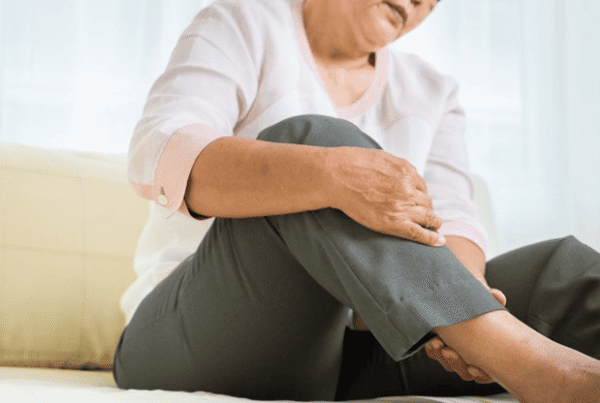

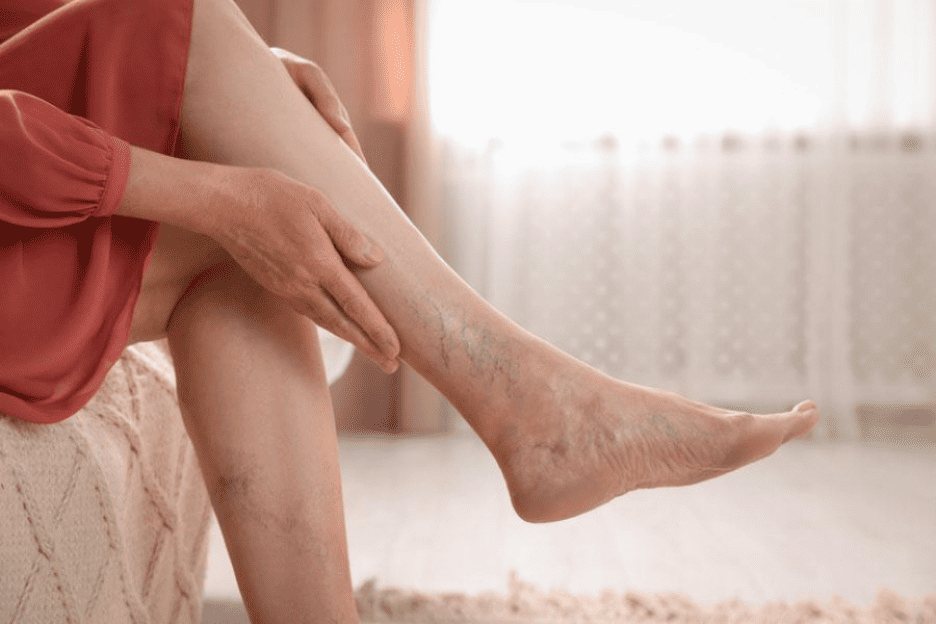
Leg pain, fatigue, cramping, numbness, or cold feet are sometimes dismissed as signs of aging or being out of shape. When these symptoms keep returning, however, they may point to a circulation problem such as peripheral artery disease (PAD).
PAD develops when arteries supplying the lower extremities become narrowed or blocked, reducing blood flow to the legs and feet. Symptoms can include pain or cramping with walking, numbness, cold or discolored feet, and wounds that are slow to heal. Some people have less typical symptoms or no obvious symptoms at all.
Southern California Vascular Institute evaluates and treats PAD at locations serving Los Angeles, Huntington Park, and Bakersfield. Vascular testing can determine whether arterial disease is restricting circulation and help guide treatment based on the severity and location of the problem.
How PAD Reduces Blood Flow to the Legs and Feet
PAD reduces blood flow when arteries supplying the legs become narrowed or blocked. This restriction means less blood can reach the lower extremities. Southern California Vascular Institute describes PAD as a cause of poor circulation in the legs and notes that narrowed or blocked arteries can produce symptoms such as pain, cramping, numbness, and slow-healing wounds.
PAD symptoms often become more noticeable during walking because working muscles need more oxygen-rich blood. When narrowed arteries cannot increase blood flow enough to meet that demand, pain, cramping, heaviness, or fatigue can develop. Symptoms may ease with rest as the muscles’ demand for blood decreases.
This helps explain what happens to blood flow with peripheral artery disease. As circulation becomes restricted, the legs may not receive the blood flow they need during activity. Southern California Vascular Institute describes walking limitations and leg pain during activity as signs that may warrant vascular evaluation.
PAD symptoms can occur in different parts of the lower extremities. Patients may experience calf pain, cramping, burning, tingling, heaviness, or discomfort in the legs. The practice’s PAD referral form also lists discoloration, rest pain, limb ischemia, non-healing wounds, and ulcers among the concerns that may be evaluated.
Reduced circulation can also cause noticeable changes in the feet. Coldness, numbness, skin discoloration, and wounds that are slow to heal may occur when arterial blood flow is impaired.
Not everyone with PAD develops classic cramping with walking. Some people have mild or no noticeable symptoms, while others experience heaviness, numbness, weakness, reduced walking ability, skin discoloration, or wounds that are slow to heal. Persistent leg or foot changes, especially in someone with PAD risk factors, may warrant vascular evaluation.
How Doctors Diagnose PAD and Determine the Severity
A PAD evaluation begins with a review of symptoms, medical history, and risk factors. Southern California Vascular Institute identifies smoking history, diabetes, heart disease, family history of vascular disease, leg pain during activity, and walking limitations as information that can be relevant during an evaluation.
A physical examination may include checking pulses in the legs and feet. The practice notes that pulse evaluation can help assess blood flow and determine whether additional vascular testing is appropriate.
The ankle-brachial index, or ABI, is a common vascular test used when PAD is suspected. The ankle-brachial index (ABI) is a noninvasive test that compares blood pressure at the ankle with blood pressure in the arm. A lower reading at the ankle can indicate reduced blood flow to the leg.
Additional testing may include ultrasound studies or other vascular imaging. These tests can help identify narrowed or blocked arteries and provide information about where circulation problems are occurring.
PAD is not the only possible cause of leg pain. Muscle, nerve, joint, and other vascular conditions can also produce discomfort in the legs. Southern California Vascular Institute notes that PAD symptoms can sometimes be mistaken for conditions such as sciatica, arthritis, or muscle problems.
PAD is diagnosed by looking at the full clinical picture rather than relying on one symptom alone. Symptoms, medical history, pulse examination, ABI results, and additional vascular imaging when needed can help determine whether arterial disease is restricting blood flow.
What Treatments Can Improve Blood Flow in PAD?
PAD treatment depends on the patient’s symptoms and vascular findings. Southern California Vascular Institute describes treatment for peripheral artery disease as including lifestyle changes, medications, and minimally invasive procedures such as angioplasty and stenting.
Lifestyle changes may be part of managing PAD and poor blood flow to legs. The practice describes lifestyle changes as part of PAD management and also identifies smoking history, diabetes, high blood pressure, and high cholesterol as relevant vascular health factors.
Treating PAD is about more than improving circulation in the legs. Because PAD is a form of atherosclerotic cardiovascular disease, care also focuses on reducing the risk of heart attack, stroke, and progression of vascular disease. Depending on the patient’s medical history, treatment may include smoking cessation, cholesterol and blood pressure management, diabetes control, antiplatelet therapy, and exercise. Medication decisions should be individualized by the treating medical team.
Medication may also be used as part of PAD care. The appropriate medication plan depends on the patient’s medical circumstances and should be determined by the treating medical team.
For patients who need a procedure, Southern California Vascular Institute provides minimally invasive treatments such as angioplasty and stenting. Its endovascular treatment service describes catheter-based procedures used to treat PAD and other vascular conditions.
- Lifestyle/medical management: may include lifestyle changes and medications as part of managing PAD and vascular risk factors.
- Structured exercise: a supervised or structured walking program can be an important part of treatment for patients with symptomatic PAD, particularly those with walking-related symptoms. The appropriate exercise plan depends on the patient’s overall health and vascular condition.
- Endovascular treatment: minimally invasive, catheter-based treatment can include angioplasty and stenting for selected arterial blockages.
- Surgical revascularization: In selected patients with more extensive or complex arterial disease, bypass surgery or another surgical approach may be considered when restoring blood flow is necessary and endovascular treatment is not the preferred option.
Treatment is not the same for every patient. A vascular evaluation can help determine whether lifestyle management, medication, endovascular treatment, or another form of vascular care is appropriate based on the patient’s symptoms and circulation findings.
How Southern California Vascular Institute Approaches PAD Care
Southern California Vascular Institute provides evaluation and treatment for PAD and other vascular conditions in Los Angeles, Huntington Park, and Bakersfield. Treatment plans are based on each patient’s symptoms, vascular findings, medical history, and the severity of arterial disease.
When intervention is needed, the team provides minimally invasive endovascular procedures, including angioplasty and stenting for selected arterial blockages. Intravascular ultrasound and other advanced imaging technologies may also be used to evaluate blood vessels and guide catheter-based treatment.
Patients may be referred for vascular evaluation because of claudication, abnormal ABI results or decreased pulses, rest pain, limb ischemia, non-healing wounds or ulcers, or a history of prior vascular intervention.
Also Read: Do You Have Peripheral Artery Disease? Key Symptoms You Shouldn’t Ignore
What Happens After PAD Diagnosis or Treatment?
PAD requires continued management after diagnosis. Treatment may include lifestyle changes, medications, and vascular procedures, depending on the patient’s condition and circulation findings.
Continued attention to vascular health can include following the medical team’s recommendations about activity, medications, smoking, diabetes, blood pressure, and cholesterol. These factors are specifically identified by Southern California Vascular Institute as relevant to vascular health and PAD evaluation.
Foot care also matters when circulation is reduced. The practice identifies non-healing wounds and ulcers as PAD-related concerns. Changes to the feet, including discoloration, numbness, or wounds that do not heal normally, should be brought to the attention of a medical professional.
Follow-up may be needed to monitor symptoms and circulation after PAD treatment. Patients who have undergone prior vascular intervention are specifically included among the PAD referral considerations listed by Southern California Vascular Institute.
A sudden onset of severe leg or foot pain, coldness, pale or discolored skin, numbness, weakness, or difficulty moving the limb can signal an acute loss of blood flow and requires immediate medical attention.
Conclusion
PAD can reduce blood flow to the legs and feet, causing symptoms that range from pain or cramping with walking to numbness, cold or discolored feet, and slow-healing wounds. Because symptoms can vary, persistent changes in the lower extremities should not automatically be attributed to aging, arthritis, or being out of shape.
A vascular evaluation can determine whether narrowed or blocked arteries are contributing to the problem and how severe the circulation loss may be. Treatment ranges from cardiovascular risk-factor management and structured exercise to minimally invasive procedures such as angioplasty and stenting when appropriate.
If you are experiencing recurring leg pain when walking, unexplained changes in your feet, numbness, reduced walking ability, or a wound that is not healing normally, schedule a vascular evaluation with Southern California Vascular Institute.
FAQs
Can you have PAD without leg pain?
Yes. Some people with PAD have no obvious symptoms or experience symptoms other than leg pain, such as heaviness, numbness, weakness, reduced walking ability, skin discoloration, or slow-healing wounds.
Why does PAD leg pain improve when I stop walking?
Walking increases the muscles’ need for oxygen-rich blood. When narrowed arteries cannot supply enough blood during activity, pain or cramping can develop and then improve with rest as the muscles’ demand decreases.
Can PAD cause wounds on the feet or toes?
Yes. Reduced blood flow can interfere with normal wound healing. A sore or wound on the foot or toes that heals slowly or does not heal should be medically evaluated.
Does an abnormal ABI mean I will need a procedure?
Not necessarily. ABI results are considered along with your symptoms, medical history, examination, and other vascular testing. Treatment may range from lifestyle changes, medication, and structured exercise to a vascular procedure when appropriate.
When is PAD in the leg an emergency?
Sudden severe leg or foot pain, coldness, pale or discolored skin, numbness, weakness, or difficulty moving the limb can signal an acute loss of blood flow and requires immediate medical attention.