
When “Normal” Periods Aren’t Really Normal
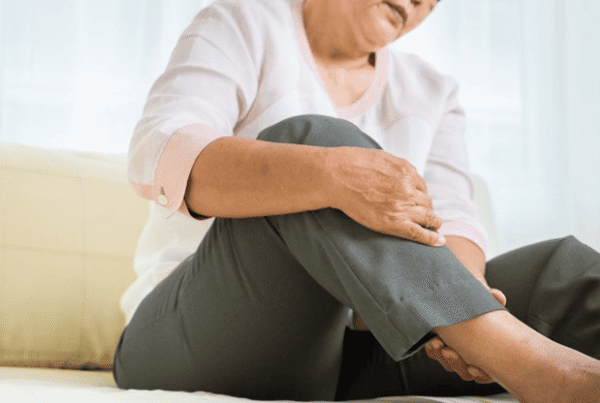
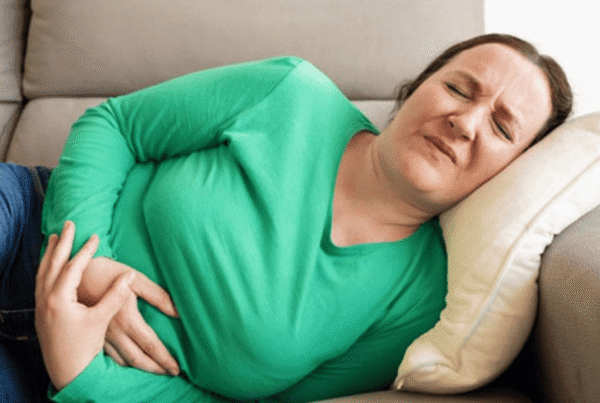
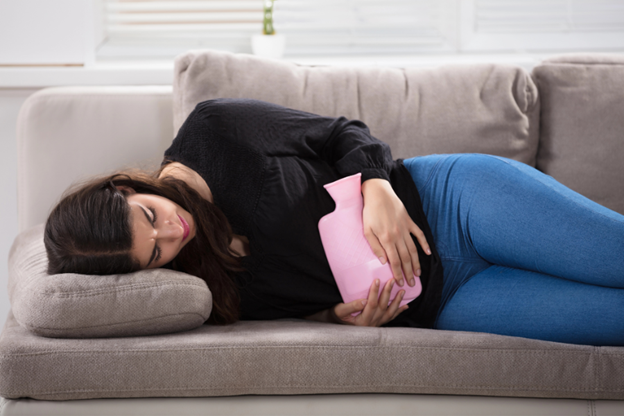
For many women, the monthly arrival of a period is more than just a nuisance. It is a period of time defined by exhaustion, isolation, and physical distress. You might find yourself planning your entire social calendar around your cycle or packing extra clothes just in case of an accident. Many women assume heavy bleeding and pelvic pain are just part of life, something to be endured in silence.
However, bleeding that soaks through pads every hour or pain that keeps you in bed is not normal. These issues often stem from uterine fibroids, which are noncancerous growths that develop within the muscular walls of the uterus. If you are struggling with these symptoms, you should know that there are ways to find relief without undergoing major surgery.
What Are Uterine Fibroids?
By definition, uterine fibroids are noncancerous (benign) growths. While the word growth can be scary, these are not related to cancer and do not increase the risk of uterine cancer. They can vary in size from tiny seedlings, undetectable by the human eye, to bulky masses that can enlarge and distort the uterus.
These growths affect a majority of women by age 50. In fact, some studies suggest that up to 70% to 80% of women will develop them at some point in their lives. While some women never realize they have them, others deal with fibroid symptoms that dictate their daily routines.
Common symptoms include:
- Heavy or prolonged periods: Bleeding that lasts longer than seven days or involves clots.
- Pelvic pain or pressure: A constant feeling of fullness or heaviness in the lower abdomen.
- Frequent urination or bloating: Large fibroids can press against the bladder or bowel, causing discomfort and a frequent urge to go.
Signs You Shouldn’t Ignore
It is easy to downplay your discomfort, but certain signs indicate it is time to seek professional help. Ignoring these symptoms can lead to long-term health complications. Think about whether you have these uterine fibroid symptoms and when to see a doctor.
- Heavy bleeding leading to anemia: If your periods cause iron deficiency, you may feel lightheaded, weak, or constantly tired.
- Severe cramping or chronic pelvic pain: Pain that does not respond well to over-the-counter medication.
- Pain during intercourse: Fibroids can make intimacy painful depending on their location.
- Back or leg pain due to pressure: When fibroids grow toward the back of the uterus, they can press on nerves, leading to radiating pain.
If you experience any of these, you should seek medical evaluation. A specialist can help determine if these growths are the cause of your distress and discuss treatment options for uterine fibroids without surgery in Huntington Park.
Also Read: Uterine Fibroid Embolization: A Minimal-Disruption Path to Predictable Periods
Traditional Treatment Options for Fibroids
Historically, women were given limited choices when dealing with fibroids. These usually fell into three categories:
- Watchful waiting: If symptoms are mild or nonexistent, a doctor might suggest monitoring the fibroids over time.
- Medications: Hormonal therapy can help manage the heavy bleeding, but it does not make the fibroids disappear.
- Surgery: This includes a myomectomy, where a surgeon removes the individual fibroids, or a hysterectomy, which is the total removal of the uterus.
While surgery is sometimes necessary, many women want a path toward healing that does not involve a long hospital stay or a lengthy recovery period. This is where modern medical advancements offer a different way forward.
What Is Uterine Fibroid Embolization (UFE)?
If you are asking, “What is uterine fibroid embolization and how does it work?” you are not alone. The UFE procedure is a minimally invasive, image-guided method used to treat fibroids without a single stitch.
Instead of removing the fibroids or the uterus, an interventional radiologist uses high-tech imaging to block the blood flow to the growths. Because fibroids require a steady supply of oxygenated blood to grow, cutting off that supply causes them to shrink and die. This is performed through a small puncture, usually in the wrist or the groin, meaning there are no large incisions or permanent scars.
How UFE Works (Step-by-Step)
The process is straightforward and focuses on addressing the root of the problem.
- Access: A thin tube called a catheter is inserted into an artery, typically at the groin or wrist.
- Navigation: Using X-ray guidance, the doctor moves the catheter to the uterine arteries that feed the fibroids.
- Embolization: Tiny particles are delivered through the catheter. These particles act like a dam, blocking the blood supply.
- Shrinkage: Without blood, the fibroids shrink over time due to a lack of oxygen.
The entire process is typically completed in under 1–2 hours, and patients are monitored closely afterward.
Benefits of Uterine Fibroid Embolization
When considering the best treatment for uterine fibroids and heavy bleeding, UFE stands out for several reasons:
- Minimally invasive: Because there is no major surgery, there is much less trauma to the body.
- Faster recovery: Most women return to their lives much faster than those who undergo a hysterectomy.
- Preserves the uterus: This is a top priority for women who do not wish to have their organs removed.
- Significant symptom relief: About 85–90% of women see a dramatic decrease in their symptoms.
- Reduced bleeding and pain: Most patients report that their next period is much lighter and far less painful.
What to Expect After the Procedure
Recovery after UFE is generally much shorter than surgical alternatives. Most patients go home the same day or after a very short stay. In the first few days, you may feel mild to moderate cramping, which is a sign that the fibroids are responding to the lack of blood flow. Some women also experience temporary fatigue or a low-grade fever.
However, most women return to normal activities within about 1–2 weeks. You will notice a gradual improvement in symptoms over the following weeks and months as the fibroids continue to shrink.
Uterine Fibroid Embolization Recovery and Risks
Is uterine fibroid embolization safe and effective? The answer is yes for most women, but, as with any medical procedure, there are risks to consider.
Common temporary effects include pain, cramping, and fatigue. Some women experience post-embolization syndrome, which feels like a mild flu for a few days. Rare risks include infection or, in very rare cases, early menopause. It is also important to note that while UFE is highly successful, it is not the right choice for every patient. An evaluation is necessary to determine if your specific fibroids are suited for this method.
Who Is a Good Candidate for UFE?
This procedure is an excellent choice for women experiencing heavy periods, pelvic pain, or pressure that interferes with their lives. It is particularly well-suited for those who:
- Want to avoid the risks and downtime of major surgery.
- Prefer a faster recovery to get back to work and family.
- Wish to keep their uterus intact.
If you are looking for fibroid treatment in Huntington Park, a personalized consultation is the only way to know if you are a candidate.
Why Choose an Interventional Radiology Approach?
Interventional radiologists are doctors who use imaging, such as X-rays and ultrasounds, to perform procedures that once required open surgery. This approach offers:
- Specialized expertise: Using images to guide tools through the body requires specific training.
- Lower complication rates: Because the procedure is less invasive than open surgery, the risk of bleeding or infection is lower.
- Collaborative care: These specialists work alongside your gynecologist to provide a well-rounded plan for your health.
Also Read: The Benefits of UFE: Why More Women Are Choosing This Procedure
When to Talk to a Specialist
You should not have to live your life in a state of constant discomfort. If you notice that your symptoms are interfering with your daily life, or if medications are no longer helping, it is time to act. If you have been told a hysterectomy is your only choice, seeking a second opinion about UFE can open up new possibilities.
Understanding the causes of heavy periods and pelvic pain from fibroids is the start of regaining control over your body.
At Southern California Vascular Institute, we understand how debilitating fibroid symptoms can be. Our team provides specialized care to help you find relief and get back to the things you love.
Take the next step toward relief from fibroid symptoms. Schedule a consultation with Southern California Vascular Institute to learn if UFE is right for you.