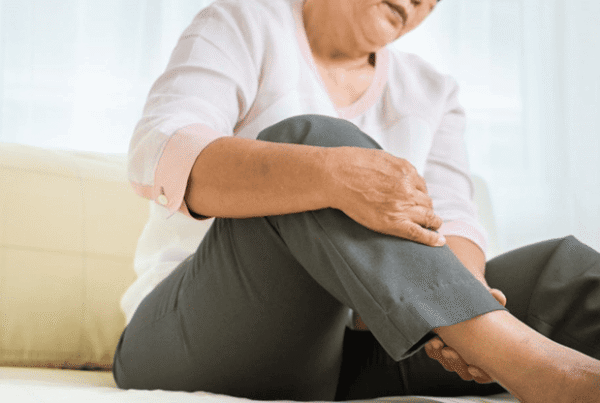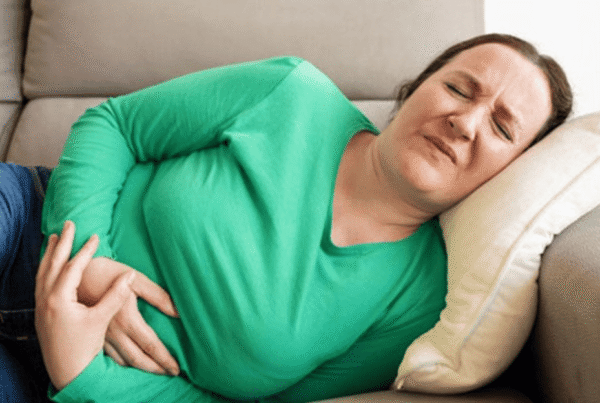

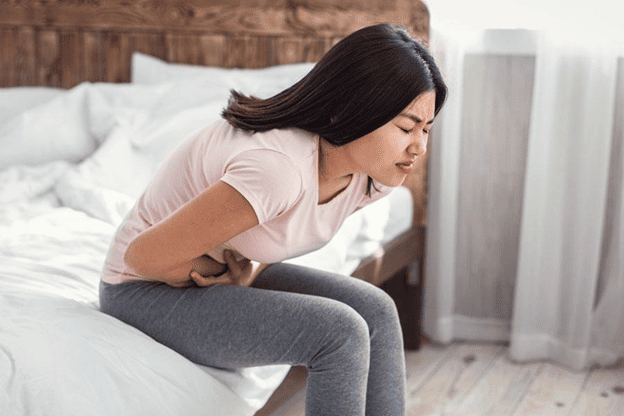
Persistent pelvic discomfort or lower back pain can be frustrating, especially when you are not sure what is causing it. If you have uterine fibroids, you may wonder whether the pressure or aching you feel could be connected.
Yes, uterine fibroids can contribute to lower back and pelvic pain. Symptoms can depend on the size, number, and location of the fibroids, particularly when they create pressure within the pelvis or affect surrounding tissues and organs. Some people experience a dull pelvic ache or fullness, while others notice lower abdominal pressure, back discomfort, or a combination of symptoms.
However, back and pelvic pain have many possible causes. Having fibroids does not automatically mean they are responsible for your symptoms. When discomfort persists, worsens, or begins interfering with everyday activities, a medical evaluation can help determine whether fibroids may be contributing and whether additional evaluation or treatment is appropriate.
What Does Fibroid Pain Feel Like?
Fibroid-related discomfort does not feel exactly the same for everyone. Some patients describe a dull or persistent ache, while others are more aware of pressure, heaviness, or fullness in the lower abdomen and pelvis.
Symptoms may include:
- Dull or aching pelvic discomfort
- Pressure or fullness in the lower abdomen
- Aching in the lower back
- Persistent pelvic pressure
- Discomfort affecting both the lower abdomen and back
For some people, the sensation feels more like pressure than sharp pain. Others may notice persistent aching or discomfort that becomes more noticeable during certain activities. Where the discomfort occurs can also depend on the location of the fibroids.
Pelvic and lower back pain are not specific to fibroids. Gynecologic, urinary, gastrointestinal, and musculoskeletal conditions can produce similar symptoms, which is why the pattern of your symptoms needs to be considered alongside your medical history and appropriate evaluation.
Also Read: Fibroids and Abdominal Bloating: When Treatment May Help
Why Can Uterine Fibroids Cause Back and Pelvic Pain?
Uterine fibroids are growths that develop in or around the uterus. Depending on where they develop and how much space they occupy, they can create pressure within the pelvis and contribute to pelvic, lower abdominal, or back discomfort.
Larger fibroids may occupy more space and place pressure on nearby tissues and organs. Some people may also experience urinary or bowel pressure when fibroids affect surrounding structures.
Size is only part of the picture, though. A larger fibroid does not automatically cause more pain, and a person’s symptoms can also be influenced by the number and location of the fibroids. This helps explain why two people with uterine fibroids can have very different experiences.
Can Uterine Fibroids Cause Lower Back Pain?
Fibroids can be one possible cause of lower back discomfort, particularly when their size or location creates pressure within the pelvis. Some patients experience back discomfort alongside pelvic pressure or lower abdominal symptoms.
The important distinction is that lower back pain is extremely common and can have many causes. Muscle and joint problems, urinary conditions, gastrointestinal conditions, and other gynecologic issues may produce similar symptoms.
If you already know you have fibroids, it can be tempting to attribute new back pain to them. Symptoms alone cannot establish that connection. An evaluation can help determine whether the fibroids are likely to be contributing or whether another cause should be considered.
How Can You Tell if Your Pain May Be Related to Fibroids?
There is no single symptom that confirms fibroids are responsible for pelvic or lower back pain. What can be more informative is the overall pattern of symptoms and whether you already have a history of uterine fibroids.
Fibroids may be worth discussing with a healthcare professional when you have:
- A known history of uterine fibroids
- Pelvic pressure or fullness
- Lower abdominal and lower back discomfort occurring together
- Menstrual changes occurring alongside pain
- Persistent symptoms that are becoming more noticeable or disruptive
The presence of several symptoms still does not confirm that fibroids are the cause. Your medical history, symptoms, and, when appropriate, imaging can help clarify what may be happening.
Also Read: Heavy Periods and Pelvic Pain? Uterine Fibroid Embolization May Be an Option
When Should You Seek Medical Evaluation for Fibroid Pain?
Persistent or worsening pelvic or lower back pain is worth discussing with a healthcare professional, particularly when it begins interfering with your daily activities or quality of life.
Evaluation becomes especially important when pain is severe, sudden, unusual, or different from symptoms you have experienced before. These changes should not automatically be attributed to fibroids because other conditions can cause similar symptoms.
If you have known fibroids and your symptoms are changing, an evaluation can also help determine whether the fibroids may be contributing and whether additional imaging or treatment should be considered.
What Are the Treatment Options for Fibroid-Related Pain?
Treatment for uterine fibroids is not based on pain alone. The appropriate approach depends on your symptoms, fibroid characteristics, overall health, reproductive considerations, and how much the condition is affecting your daily life.
Depending on the individual situation, management may include:
- Monitoring: Patients with minimal symptoms may sometimes be monitored rather than treated immediately.
- Medication: Medication may be appropriate for managing certain symptoms.
- Minimally invasive procedures: Certain procedures may directly address fibroids in appropriate patients.
- Surgical treatment: Surgery may be considered in selected cases.
Treatment may address the fibroids themselves rather than simply managing discomfort. There is no single approach that is appropriate for every patient, which is why understanding your symptoms and fibroid characteristics is an important part of deciding what comes next.
Finding Fibroid Care in Los Angeles
If pelvic pressure, lower abdominal discomfort, or back pain is interfering with everyday activities, getting a clearer understanding of the cause is an important first step. An evaluation can help determine whether your symptoms may be associated with uterine fibroids and whether additional testing or treatment should be considered.
When considering fibroid care in Los Angeles, relevant factors can include a provider’s experience, diagnostic capabilities, and available treatment options.
At the Southern California Vascular Institute, our team can discuss your fibroid-related symptoms and available treatment options based on your individual situation. The goal is not to assume that every episode of pelvic or back pain is caused by fibroids, but to understand what may be contributing to your symptoms and what next steps may be appropriate.
Also Read: Uterine Fibroid Embolization: A Minimal-Disruption Path to Predictable Periods
Frequently Asked Questions About Fibroid Pain
Can Uterine Fibroids Cause Lower Back and Pelvic Pain?
Yes. Uterine fibroids can contribute to pelvic pressure, lower abdominal discomfort, and lower back pain, particularly when their size or location creates pressure within the pelvis. However, these symptoms can have other causes, so persistent or worsening pain should be properly evaluated.
What Does Fibroid Pain Feel Like?
Fibroid-related discomfort may feel like a dull ache, pressure, heaviness, or fullness in the pelvis or lower abdomen. Some people also experience aching in the lower back. The type and location of discomfort can vary depending on the individual and the characteristics of the fibroids.
Where Is Fibroid Pain Usually Felt?
Fibroid-related discomfort may be felt in the pelvis, lower abdomen, or lower back. Some patients experience symptoms in more than one area. Where discomfort occurs can be influenced by the size, number, and location of the fibroids.
Can Small Fibroids Cause Pain, or Does Size Matter?
Fibroid size can influence symptoms, but size alone does not determine whether someone will experience pain. The number and location of the fibroids can also play an important role. This is why symptoms can differ considerably from one patient to another.
How Can I Tell if My Back Pain Is From Fibroids or Something Else?
Back pain alone cannot determine whether fibroids are responsible. Musculoskeletal problems, urinary conditions, gastrointestinal conditions, and other gynecologic issues can cause similar symptoms. A medical evaluation can consider your symptoms, history, known fibroids, and whether additional testing or imaging is appropriate.
When Should I See a Specialist for Fibroid-Related Pain?
Consider an evaluation when pelvic or lower back pain persists, worsens, or begins interfering with everyday activities. Severe, sudden, unusual, or significantly different pain should also be evaluated rather than automatically attributed to fibroids.
Get Answers About Persistent Fibroid Symptoms
Pelvic pressure or lower back pain does not automatically mean uterine fibroids are responsible. When symptoms persist, worsen, or begin affecting your everyday life, an evaluation can help determine whether fibroids may be contributing and what options may be appropriate.
At the Southern California Vascular Institute, our team can help you better understand your symptoms and available options for fibroid care. Schedule a consultation to discuss your concerns and determine the appropriate next step.