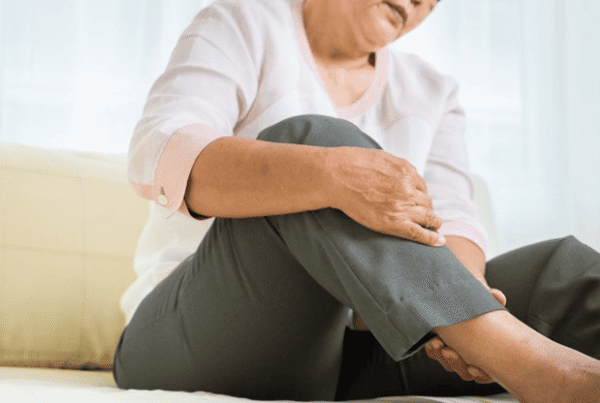

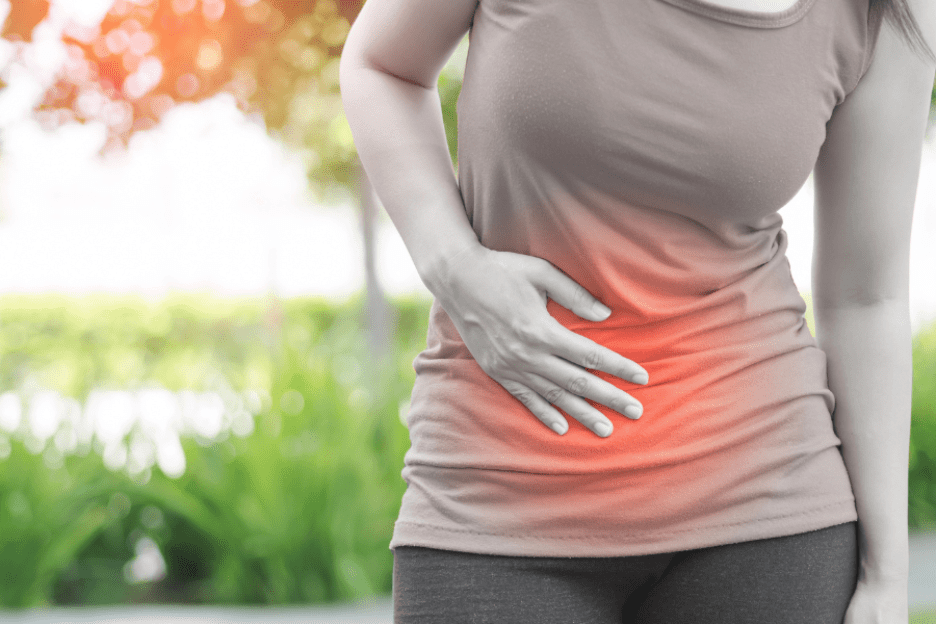
Uterine fibroids are noncancerous growths that develop in or on the uterus. While some women have fibroids without noticeable symptoms, others experience heavy menstrual bleeding, pelvic pressure, pain, and other issues that interfere with everyday activities. Depending on their size, number, and location, fibroids can affect work, exercise, sleep, and daily routines.
Seeking fibroid management Bakersfield patients can trust is an important step when symptoms begin affecting daily life. At Southern California Vascular Institute, care begins with a detailed evaluation to identify the size and location of fibroids and discuss available fibroid treatment approaches, including minimally invasive procedures such as uterine fibroid embolization (UFE). Managing symptoms can improve daily comfort and support better women’s health through individualized fibroid care.
Why Fibroids Can Make Daily Life More Challenging
Uterine fibroids can cause a wide range of symptoms, and every woman’s experience is different. Some symptoms develop gradually, while others become more noticeable over time.
Heavy menstrual bleeding is one of the most common fibroid symptoms. Excessive bleeding may contribute to fatigue, making it harder to keep up with work, family responsibilities, and daily activities.
daily activities.
Pelvic pain and pressure are also common. Larger fibroids can create a feeling of fullness or discomfort in the lower abdomen, making it uncomfortable to sit for extended periods or participate in physical activities.
Fibroids may also press against the bladder, leading to frequent urination. Nighttime trips to the bathroom can interrupt sleep, leaving patients feeling tired during the day. Some women also experience lower back pain or abdominal bloating that affects comfort throughout the day.
As symptoms become more noticeable, many women find it harder to exercise, travel, attend social events, or simply complete normal daily routines. Learning how fibroid management can improve daily comfort begins with recognizing how these symptoms affect everyday life.
Also Read: Heavy Periods and Pelvic Pain? Uterine Fibroid Embolization May Be an Option
Recognizing When It’s Time to Seek Treatment
Not every fibroid requires immediate treatment, but ongoing symptoms should not be ignored.
Heavy menstrual bleeding, pelvic pressure, pain, bloating, fatigue, or urinary frequency that interfere with normal activities may indicate it is time to seek medical evaluation. Without appropriate fibroid care, symptoms may continue affecting comfort and quality of life.
An accurate diagnosis is an important part of uterine fibroids treatment. Southern California Vascular Institute performs a detailed evaluation to confirm the presence of fibroids and determine their size and location before discussing available treatments. This personalized evaluation helps identify the most appropriate approach for each patient.
What Fibroid Management Looks Like
Successful fibroid management begins with understanding each patient’s symptoms and medical history.
The evaluation typically includes imaging to diagnose uterine fibroids and determine whether monitoring or treatment is appropriate. Some women with mild symptoms may only need regular observation, while others may benefit from additional treatment if symptoms interfere with daily life.
Lifestyle strategies may help support overall well-being, but treatment recommendations are based on symptom severity, imaging findings, and each patient’s goals. Your physician may discuss strategies that support daily comfort while monitoring symptoms over time.
When treatment becomes appropriate, recommendations are based on symptom severity, fibroid size, and individual preferences. Southern California Vascular Institute offers minimally invasive uterine fibroid treatment, including uterine fibroid embolization (UFE), for qualifying patients seeking a nonsurgical approach.
Not every woman with fibroids benefits from the same treatment. Physicians consider the number, size, and location of fibroids, symptom severity, future reproductive goals, and previous treatments when developing a personalized care plan. This comprehensive evaluation helps determine whether monitoring, medical therapy, uterine fibroid embolization (UFE), or referral for another treatment approach is most appropriate.
Ways Fibroid Management Can Improve Daily Comfort
Many women notice meaningful changes in daily activities after receiving appropriate fibroid treatment.
Reducing heavy menstrual bleeding may improve energy levels by decreasing blood loss associated with fibroids. Relief from pelvic pressure can make sitting, walking, and standing more comfortable.
Learning how to relieve fibroid pain and pressure often begins with identifying the source of symptoms and selecting an appropriate treatment plan. As pelvic discomfort decreases, many patients find it easier to stay active and return to activities they previously avoided.
Treating fibroids may also decrease urinary urgency and frequency caused by pressure on the bladder. Sleeping through the night without repeated bathroom trips may improve daily comfort and reduce daytime fatigue.
Many women also report that exercise, work responsibilities, travel, and social activities become easier after treatment. These improvements demonstrate how improving quality of life with fibroid treatment can extend well beyond symptom relief.
Also Read: Uterine Fibroid Embolization: A Minimal-Disruption Path to Predictable Periods
Minimally Invasive Treatment Options
When conservative management is no longer providing enough relief, patients may wish to explore non-surgical fibroid treatment options.
Southern California Vascular Institute offers minimally invasive treatment for uterine fibroids through uterine fibroid embolization (UFE). This procedure reduces blood flow to fibroids, causing them to shrink over time while preserving the uterus.
The uterine fibroid embolization benefits described by Southern California Vascular Institute include:
- Minimally invasive treatment
- No large surgical incision
- Short recovery time, with many patients returning to normal activities within one to two weeks
- Preservation of the uterus
- Reduce heavy bleeding, pelvic pain, and pelvic pressure
- Durable symptom improvement after successful treatment
For women seeking the best treatment options for uterine fibroids in Bakersfield, UFE may provide a nonsurgical approach when appropriate after evaluation by a vascular specialist.
When UFE May Not Be the Best Option
Although uterine fibroid embolization (UFE) is an excellent option for many women, it is not appropriate for everyone. Factors such as the size, number, and location of fibroids, future pregnancy plans, suspected malignancy, or other gynecologic conditions may influence treatment recommendations. A comprehensive evaluation helps determine whether UFE or another treatment approach is most appropriate for each patient’s individual needs and long-term goals.
Also Read: The Benefits of UFE: Why More Women Are Choosing This Procedure
When to Schedule a Consultation
You should consider scheduling a consultation if you experience:
- Heavy menstrual bleeding affecting daily activities
- Ongoing pelvic pain or pressure
- Frequent urination caused by fibroids
- Symptoms interfering with work, exercise, travel, or sleep
- Worsening fibroid symptoms despite conservative care
Early evaluation allows your physician to discuss available uterine fibroids treatment approaches and determine whether monitoring, medical management, or UFE may be appropriate based on your individual condition.
Conclusion
Living with uterine fibroids does not mean you have to accept ongoing discomfort. Appropriate fibroid management can reduce symptoms, improve daily comfort, and help patients return to activities that have become more difficult because of heavy bleeding, pelvic pressure, or pain.
Whether treatment involves monitoring or a minimally invasive procedure such as uterine fibroid embolization, an individualized evaluation helps determine the most appropriate approach. Exploring treatment before symptoms become more disruptive may help improve comfort and support long-term women’s health.
Schedule a consultation with Southern California Vascular Institute to discuss your fibroid symptoms and learn whether uterine fibroid embolization (UFE) or another personalized treatment option is right for you.
Frequently Asked Questions
What are the symptoms of uterine fibroids?
Common fibroid symptoms include heavy menstrual bleeding, pelvic pain or pressure, abdominal bloating, frequent urination, fatigue related to blood loss, and lower back discomfort. Symptoms vary depending on the size and location of the fibroids.
How can fibroid management improve daily comfort?
Appropriate fibroid management may reduce heavy bleeding, relieve pelvic pressure, decrease urinary frequency, improve sleep, and make everyday activities such as work, exercise, and travel more comfortable.
What is the best treatment for uterine fibroids?
The best treatment depends on your symptoms, fibroid size, and personal preferences. Southern California Vascular Institute offers individualized treatment plans that may include monitoring or minimally invasive procedures such as uterine fibroid embolization (UFE).
Can fibroids be treated without surgery?
Yes. Non-surgical fibroid treatment options include uterine fibroid embolization (UFE), a minimally invasive procedure that shrinks fibroids by blocking their blood supply while preserving the uterus.
What is uterine fibroid embolization (UFE)?
Uterine fibroid embolization (UFE) is a minimally invasive procedure that uses a catheter to deliver tiny embolic particles into the uterine arteries, reducing blood flow to fibroids so they shrink over time and symptoms improve.