

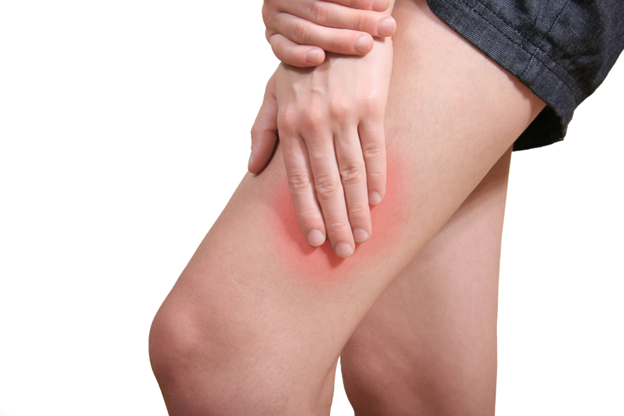
Many people notice discomfort in their legs while walking and assume it is simply part of getting older. A person may feel calf cramping after walking through a grocery store, heaviness when climbing stairs, or fatigue after a short walk around the neighborhood. Some dismiss the problem as arthritis, muscle strain, or overuse. Others simply slow down their daily activities to avoid discomfort.
In some cases, however, leg pain when walking may indicate a circulatory problem known as Peripheral Artery Disease (PAD). This form of vascular disease develops when arteries that carry blood to the legs become narrowed by plaque buildup. Reduced blood flow can make it difficult for leg muscles to receive enough oxygen during activity.
Recognizing PAD symptoms early matters because untreated clogged leg arteries can increase the risk of more serious circulation problems. Early diagnosis may help protect mobility, tissue health, and long-term vascular function.
Our vascular specialist evaluates circulation problems in the legs using advanced diagnostic testing and minimally invasive treatment methods designed to restore blood flow and reduce symptoms.
Why Leg Pain While Walking Can Signal a Circulation Problem
Leg muscles need a steady supply of oxygen-rich blood during physical activity. When a person walks, climbs stairs, or exercises, the demand for blood flow increases. Healthy arteries can adjust to deliver sufficient blood flow to support muscle movement.
In people with peripheral artery disease, narrowed arteries limit blood flow to the legs. As a result, muscles may not receive enough oxygen during activity. This often causes pain, tightness, or fatigue that appears during walking.
Many patients asking, ” Why do my legs hurt when I walk?, are surprised to learn the answer may involve circulation rather than joints or muscles.
PAD-related discomfort often differs from normal muscle soreness. Exercise soreness usually develops after activity and improves gradually over time. Pain from clogged leg arteries often starts with movement and may stop after resting for several minutes.
This pattern is one reason vascular specialists carefully evaluate leg pain when walking and stopping. Symptoms that improve with rest can be a major clue that circulation problems in the legs may be present.
Also Read: Effective Treatment Options for Chronic Venous Insufficiency: A Complete Guide
The “Stop-and-Rest” Leg Pain Pattern Vascular Specialists Watch For
One of the most common early warning signs of peripheral artery disease is intermittent claudication. This term describes muscle pain caused by reduced blood flow during activity.
Patients describe intermittent claudication in different ways. Some experience:
- Cramping
- Tightness
- Burning sensations
- Aching pain
- Leg heaviness
- Muscle fatigue
The calves are the most common area affected, although symptoms can also appear in the thighs, hips, or buttocks, depending on where artery narrowing occurs.
A major feature of PAD symptoms is predictability. Many people notice pain after walking a similar distance each time. For example, discomfort may begin after walking two blocks, crossing a parking lot, or climbing one flight of stairs. After resting, symptoms often fade within minutes. Once activity resumes, the pain frequently returns.
Over time, many patients unconsciously reduce their activity levels to avoid discomfort. They may walk shorter distances, avoid exercise, or take more frequent breaks. Unfortunately, this adjustment can allow vascular disease to progress without proper medical attention.
Subtle Foot and Toe Changes That May Point to PAD
Peripheral artery disease can affect more than walking comfort. Reduced circulation may also cause visible changes in the feet, toes, and lower legs.
Some patients notice their feet feel unusually cold, especially compared to the rest of the body. Others observe that one foot feels colder than the other.
Additional symptoms of poor circulation in the legs may include:
- Pale or bluish skin
- Shiny skin on the lower legs
- Slow-growing toenails
- Reduced hair growth on the legs and feet
- Dry or fragile skin
These changes develop because tissues are not receiving a normal blood supply. Over time, reduced circulation can affect skin health, nail growth, and tissue repair.
Many people overlook these subtle symptoms because they often appear gradually. However, they may represent early warning signs of peripheral artery disease that deserve medical evaluation.
Why Non-Healing Foot Wounds Are a Serious Warning Sign
Slow-healing wounds on the feet or toes may signal more advanced circulation problems. Even small cuts, blisters, or sores can become difficult to heal when blood flow is limited.
Healthy circulation helps transport oxygen, nutrients, and immune cells needed for tissue repair. When arteries are narrowed, healing may slow significantly.
Patients with PAD may notice:
- Foot sores that remain open for weeks
- Cracks in the skin that do not improve
- Ulcers on the toes or feet
- Increased redness or swelling around wounds
Poor circulation also increases the risk of infection. In severe cases, untreated vascular disease can lead to tissue damage and major complications.
Diabetes further raises the risk because high blood sugar can damage blood vessels and nerves at the same time. Many diabetic patients who develop foot wounds also have underlying peripheral artery disease. Understanding when leg pain could be a sign of PAD becomes especially important when wounds or skin changes are present.
PAD Symptoms That Often Get Mistaken for Aging, Arthritis, or Sciatica
Many PAD symptoms overlap with other common conditions, which is one reason diagnosis is often delayed. Some people assume their discomfort comes from aging. Others believe arthritis is causing stiffness or soreness in the legs. Sciatica may also cause pain that radiates down the leg. While these conditions can cause leg discomfort, PAD symptoms tend to follow a different pattern.
Pain related to peripheral artery disease is commonly linked to activity. Symptoms often appear while walking and improve after rest. Arthritis discomfort may persist even when sitting still, whereas sciatica often causes nerve-related tingling or shooting pain.
Because symptoms may seem mild at first, many people postpone seeing a vascular specialist. Unfortunately, a delayed diagnosis may allow clogged leg arteries to worsen over time. Anyone experiencing regular leg pain when walking should consider an evaluation, especially if symptoms repeatedly improve with rest.
Who Is Most at Risk for PAD?
Several factors increase the likelihood of developing peripheral artery disease. Adults over age 50 face a higher risk, particularly when additional vascular risk factors are present.
Smoking is one of the strongest contributors to PAD. Current and former smokers both face elevated risk because tobacco damages blood vessels and reduces circulation.
Other common risk factors include:
- Diabetes
- High blood pressure
- High cholesterol
- Obesity
- Family history of vascular disease
People with multiple risk factors may develop PAD without realizing it. In some cases, symptoms remain mild until circulation becomes more limited.
Early vascular screening may help identify circulation problems before severe complications develop. Patients at higher risk should pay close attention to changes in walking tolerance, foot appearance, or leg discomfort. For individuals wondering how to know if they have PAD, a vascular evaluation can provide answers through noninvasive testing.
What Happens During a PAD Evaluation?
Many patients feel nervous about seeing a vascular specialist because they are unsure what testing involves. Fortunately, most PAD evaluations are straightforward and painless.
The appointment usually begins with a review of symptoms and medical history. A specialist may ask questions about:
- Leg pain during activity
- Walking limitations
- Smoking history
- Diabetes or heart disease
- Family history of vascular disease
A physical examination often includes checking pulses in the legs and feet to evaluate blood flow. One of the most common diagnostic tools is the Ankle-Brachial Index (ABI) test. This noninvasive test compares blood pressure readings in the arms and ankles to detect reduced circulation.
Ultrasound studies or vascular imaging may also be recommended to identify narrowed or blocked arteries. These tests help specialists determine the location and severity of circulation problems in the legs while guiding treatment decisions.
How Vascular Specialists Treat PAD Before It Becomes Severe
Early treatment can help reduce symptoms, improve mobility, and slow the progression of peripheral artery disease. Treatment plans often begin with lifestyle changes that support healthier circulation. Patients may be advised to:
- Stop smoking
- Follow a supervised exercise program
- Eat a heart-healthy diet
- Manage blood pressure and cholesterol levels
- Control diabetes carefully
Medications may also be prescribed to improve blood flow or lower cardiovascular risk. When symptoms worsen or blood flow is significantly reduced, minimally invasive vascular procedures may help restore circulation.
Common PAD treatment methods include:
- Angioplasty to widen narrowed arteries
- Stenting to help the arteries remain open
- Endovascular procedures that improve blood flow using catheter-based techniques
These treatments are often performed through small incisions, with shorter recovery times than traditional surgery.
Patients seeking PAD treatment in Los Angeles can benefit from early evaluation before circulation problems progress.
Southern California Vascular Institute provides diagnostic testing and minimally invasive vascular care for patients experiencing PAD symptoms and other circulation-related concerns.
Also Read: Standing All Day at Work? Here’s Why Your Job Could Be Worsening Your Vein Pain
Conclusion
Leg discomfort during walking is not always a normal part of aging. In many cases, recurring cramping, heaviness, or fatigue may point to peripheral artery disease.
Recognizing the early warning signs of peripheral artery disease can help patients seek medical attention before circulation problems become more serious. Symptoms such as leg pain when walking and stopping, cold feet, slow-healing wounds, or reduced walking tolerance should not be ignored. PAD is treatable, especially when diagnosed early. Timely care may help improve circulation, reduce discomfort, and support long-term vascular health.
If you are experiencing symptoms of poor circulation in your legs or wondering where to treat peripheral artery disease in Los Angeles, schedule a vascular evaluation with Southern California Vascular Institute.