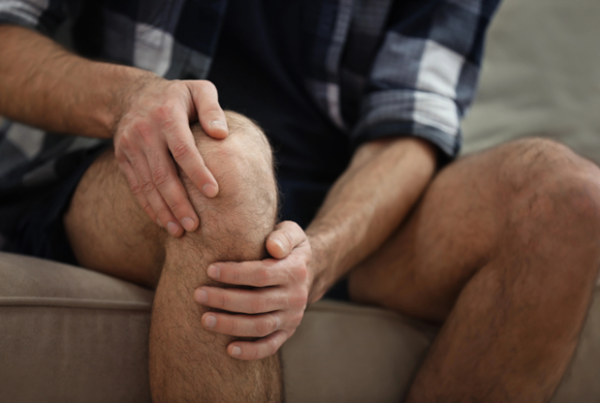

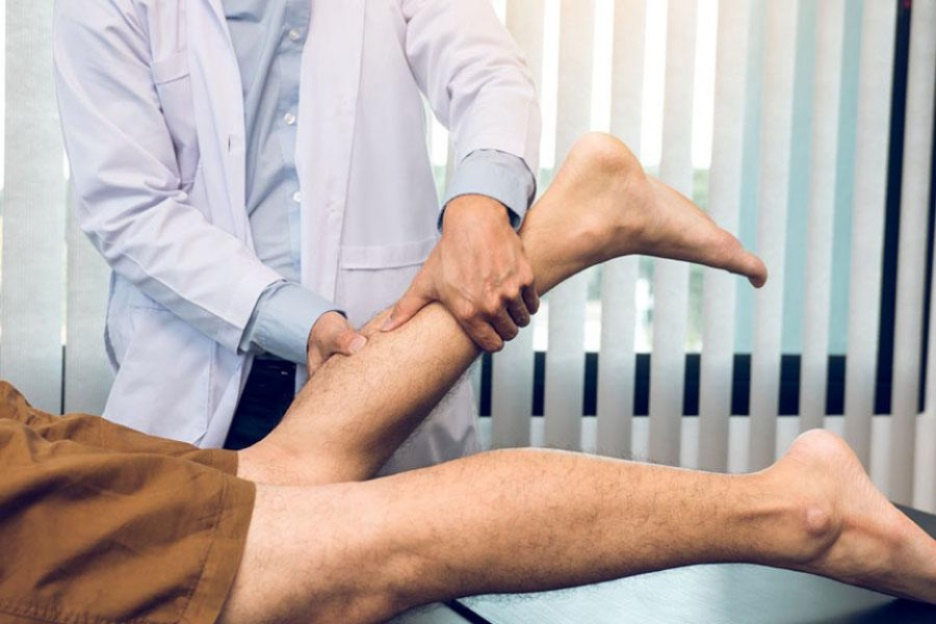
Many people assume poor circulation will affect the feet before any other part of the leg. In reality, one of the earliest signs of Peripheral Artery Disease (PAD) often develops higher up in the calf muscles. Because the calves require a significant increase in oxygen-rich blood during walking and other physical activity, they are often the first area to show that blood flow has become restricted.
One of the most common early PAD symptoms patients report is cramping or aching in the calves that begins while walking and improves after a short period of rest. Many people dismiss this discomfort as muscle fatigue, getting older, or simply being out of shape. However, recurring calf pain that follows this predictable pattern can be an early warning sign of peripheral artery disease.
Understanding why PAD symptoms often begin in the calves rather than the feet can help patients recognize the condition sooner and know when it’s time to seek a vascular evaluation. Early diagnosis may improve treatment options, help preserve mobility, and reduce the risk of more serious circulation-related complications.
Why the Calf Muscles Are Usually the First Area Affected
The calf muscles play a major role in walking and other physical activities. Every time a person walks, climbs stairs, or exercises, these muscles require a substantial increase in oxygen-rich blood.
In the early stages of peripheral artery disease, narrowed arteries may still provide enough blood flow while the body is at rest. During activity, however, the demand for oxygen rises significantly. If blocked arteries cannot deliver enough blood to the muscles, symptoms begin to appear.
Because the calf muscles work so hard during movement, they are often the first area to signal a circulation problem. This is one reason why peripheral artery disease calf pain is such a common symptom.
Many patients experience cramping or discomfort only when they walk. Once they stop and rest, the muscles require less oxygen, and the pain gradually subsides.
The Role of the Femoral and Popliteal Arteries
To understand why PAD affects the calves before the feet, it helps to understand the arteries that supply blood to the lower extremities.
Peripheral artery disease commonly affects larger arteries in the leg, including the femoral artery in the thigh and the popliteal artery located behind the knee. These vessels carry blood to the lower leg and calf muscles.
When plaque buildup narrows these arteries, blood flow to the calf muscles decreases during physical activity. As a result, the muscles may not receive the oxygen they need to function comfortably.
The location of an arterial blockage often determines where symptoms appear. If blood flow is restricted in arteries that feed the calf muscles, calf pain may develop long before symptoms become noticeable in the feet.
What Calf Claudication Feels Like
One of the hallmark signs of PAD is claudication. Claudication refers to muscle pain caused by inadequate blood flow during activity.
Intermittent claudication symptoms in PAD often include:
- Cramping in the calves
- Aching or soreness
- Tightness during walking
- Muscle fatigue
- Leg pain that develops after a predictable amount of activity
Many patients notice that symptoms begin after walking a certain distance. The pain may occur consistently after several blocks, climbing stairs, or walking uphill.
A defining characteristic of claudication is that it improves with rest. In many cases, discomfort fades within a few minutes after stopping activity.
This predictable pattern helps distinguish PAD from many other causes of calf pain.
Why Foot Symptoms Usually Develop Later
Early symptoms of peripheral artery disease typically involve the muscles because those tissues experience increased oxygen demands during movement.
The feet often remain symptom-free during the earlier stages of PAD. As circulation continues to decline, however, symptoms may begin affecting tissues even when a person is resting.
More advanced poor circulation may lead to:
- Cold feet
- Numbness or tingling
- Changes in skin color
- Slow-healing cuts or wounds
- Toe ulcers
- Skin breakdown
These symptoms can indicate that blood flow has become significantly restricted. When circulation reaches this stage, prompt medical evaluation becomes increasingly important.
Conditions Commonly Mistaken for PAD-Related Calf Pain
Not every case of calf pain is caused by peripheral vascular disease. Several other conditions can produce similar symptoms.
Common causes of calf discomfort include:
Muscle Strains and Overuse Injuries
Exercise, sports activities, and physical labor can cause soreness or injury in the calf muscles. Unlike PAD, this discomfort may continue even when a person is resting.
Arthritis-Related Discomfort
Arthritis affecting the hips, knees, or ankles may alter walking patterns and create leg pain. Joint pain is often more noticeable than muscle cramping.
Sciatica and Spinal Stenosis
Nerve compression in the lower back can cause pain, weakness, numbness, or tingling that extends into the legs.
Differences Between Vascular Claudication and Other Leg Pain
PAD-related claudication usually follows a predictable pattern. Symptoms occur during activity, improve with rest, and often return after a similar amount of walking.
Pain caused by nerve disorders, arthritis, or muscle injuries may not follow this consistent pattern.
When Calf Pain Should Raise Concern
Occasional muscle soreness is common. However, certain symptoms deserve medical attention.
Patients should consider vascular evaluation when they experience:
- Calf pain that repeatedly occurs while walking
- Symptoms that improve after resting
- Reduced walking distance due to leg discomfort
- One leg becoming more symptomatic than the other
- Poor circulation causing calf pain
- Cold feet or skin changes
- Non-healing wounds on the legs, feet, or toes
These symptoms may indicate peripheral artery disease and should not be ignored.
How PAD Is Diagnosed
Patients wondering where to get diagnosed with PAD in Los Angeles should seek evaluation from a vascular specialist experienced in diagnosing circulation disorders.
Diagnosis typically begins with a review of symptoms and medical history. A physician will also examine pulses in the legs and feet and look for signs of reduced circulation.
One of the most common diagnostic tools is the Ankle-Brachial Index (ABI). This noninvasive test compares blood pressure measurements in the arms and ankles to identify reduced blood flow in the legs.
Additional testing may include vascular ultrasound or advanced imaging studies when more detailed information is needed about blocked arteries causing leg pain or poor circulation.
Why Early Diagnosis Matters
PAD symptoms often begin in the calves long before severe complications develop.
Identifying the condition early allows patients to receive treatment that may improve circulation, reduce leg pain, and help them remain active. Southern California Vascular Institute offers evaluation and treatment for peripheral artery disease, including minimally invasive approaches designed to restore blood flow when appropriate.
Early diagnosis is also important because PAD is associated with a higher risk of cardiovascular events such as heart attack and stroke. Addressing circulation problems early may help reduce those risks while protecting long-term vascular health.
Also Read: Do You Have Peripheral Artery Disease? Key Symptoms You Shouldn’t Ignore
Conclusion
Calf pain is often the earliest symptom of PAD because the calf muscles require large amounts of oxygen-rich blood during physical activity. When narrowed arteries cannot meet that demand, cramping, aching, and claudication may develop.
Recurring calf discomfort should not automatically be dismissed as aging, overexertion, or routine muscle fatigue. Recognizing the warning signs of peripheral artery disease can lead to earlier diagnosis and treatment.
If you are experiencing calf pain while walking, leg pain that improves with rest, or other signs of poor circulation, schedule an evaluation with Southern California Vascular Institute. Their team provides PAD diagnosis and treatment services to help patients restore circulation and protect their vascular health.