
Serving the greater Los Angeles, Huntington Park, and Bakersfield areas.

Relieve heavy bleeding, pelvic pressure, and pelvic pain with advanced, minimally invasive uterine fibroid treatment. No major surgery required.
Serving the greater Los Angeles area, including Huntington Park. Bakersfield office also available.
What Is Fibroid Treatment?
Uterine fibroids are noncancerous growths that can cause heavy menstrual bleeding, pelvic pain, pressure, bloating, frequent urination, and fatigue. Fibroid treatment begins with a focused evaluation to understand your symptoms and confirm the size and location of fibroids.
At Southern California Vascular Institute, treatment is built around minimally invasive options whenever possible, including uterine fibroid embolization (UFE), to help reduce symptoms while preserving the uterus.
Who Is a Candidate?
You may be a candidate for fibroid treatment if you have heavy or prolonged periods, pelvic pressure or pain, fibroid-related bloating, frequent urination, or anemia or fatigue linked to blood loss.
Many patients who want a nonsurgical alternative to hysterectomy, or who want to preserve their uterus, may be good candidates for minimally invasive options such as UFE.
What Symptoms Can Treatment Improve?
Fibroid treatment is designed to help improve heavy menstrual bleeding, pelvic pain or cramping, pelvic pressure or fullness, abdominal bloating, frequent urination caused by pressure, and quality of life impacts from ongoing symptoms.
For patients with pelvic pain, evaluation may also consider pelvic congestion syndrome or vascular causes that can mimic or worsen fibroid symptoms.
Treatment Options
Fibroid management is personalized. Depending on your symptoms and evaluation, options may include symptom management with medication, minimally invasive procedures, and uterine fibroid embolization (UFE).
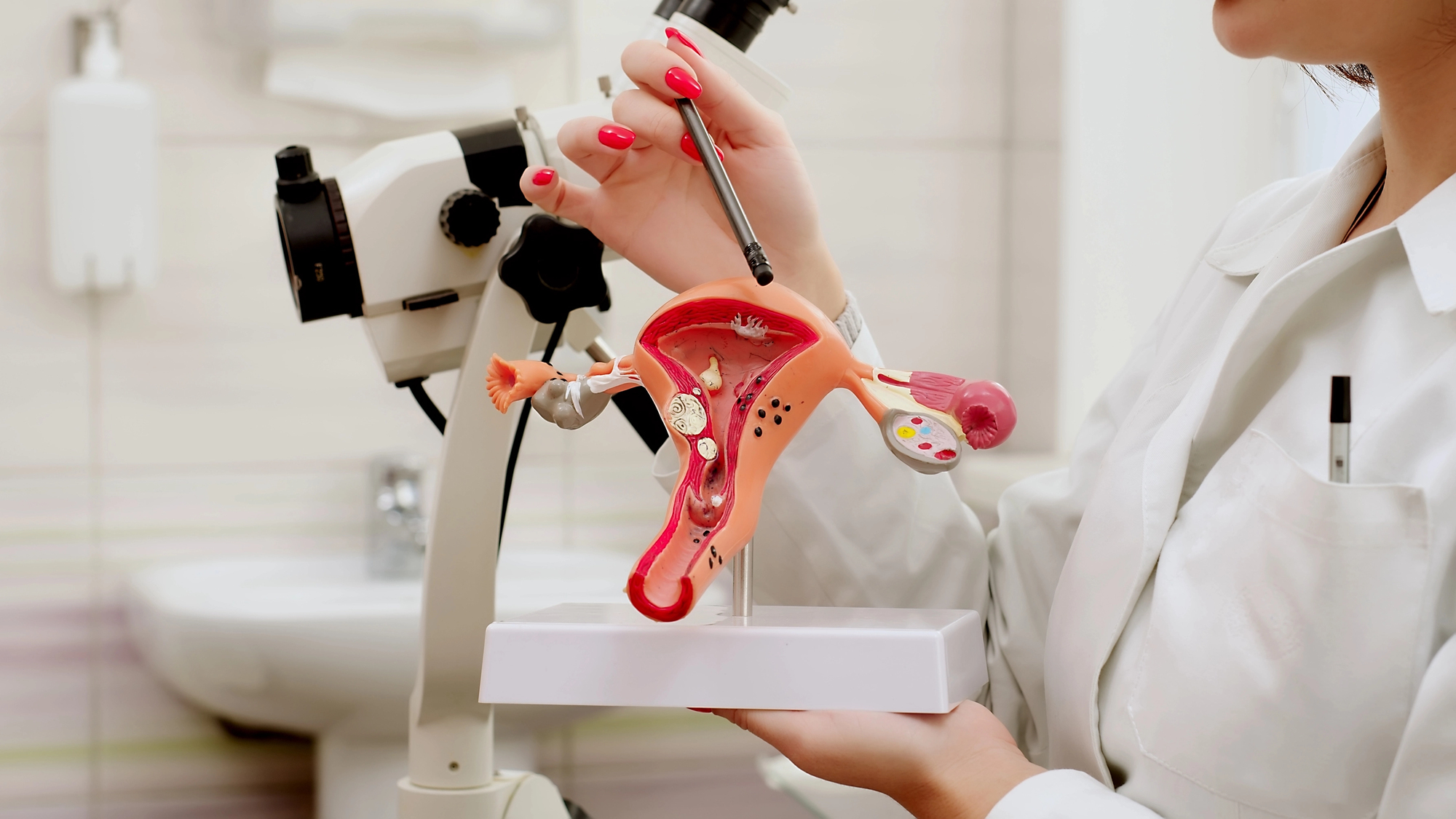
Uterine fibroid embolization is an image-guided procedure that shrinks fibroids by blocking their blood supply. Unlike hysterectomy, UFE preserves the uterus and does not require large surgical incisions.
Benefits At a Glance
- Minimally invasive with no large incisions
- Outpatient treatment
- Short recovery time
- Preserves the uterus
- Improves heavy bleeding, pelvic pain, and pressure
- Lower risk compared to major surgery such as hysterectomy
Procedure and Recovery
UFE is performed using a small catheter placed through the femoral or radial artery and guided with real-time imaging to the uterine arteries. Tiny embolic particles are delivered to block blood flow to fibroids, causing them to shrink over time.
UFE is typically an outpatient procedure. Recovery commonly lasts about 1 to 2 weeks, and most patients return to light activity within a few days.
Why Choose Us
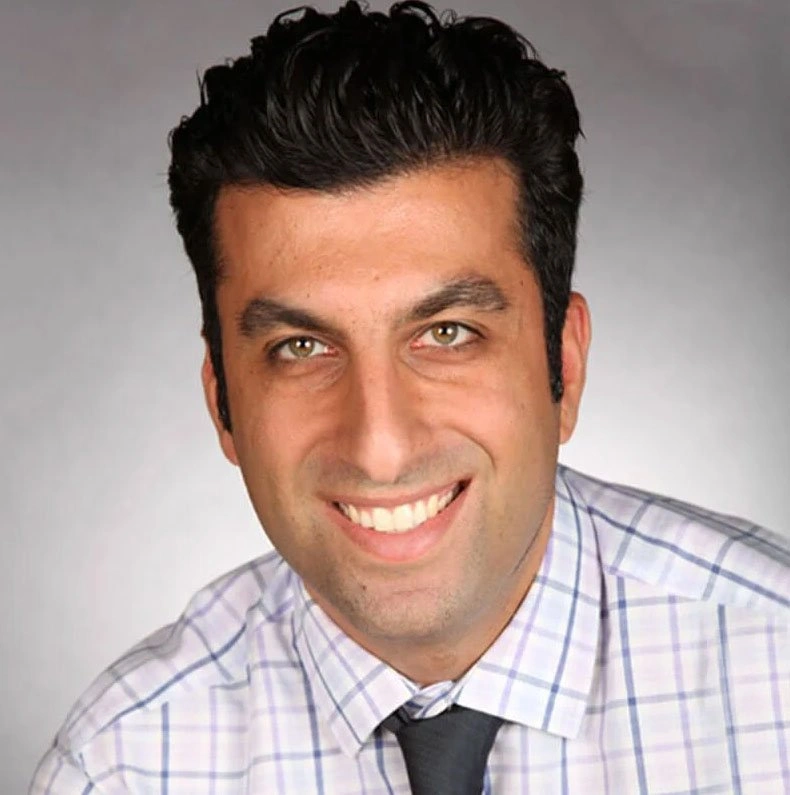
Dr. Amiel Moshfegh is a vascular and interventional radiologist serving the greater Los Angeles area. As President of Southern California Vascular Institute, he provides advanced, image-guided care and individualized treatment planning.
His training includes fellowship experience at Cornell–NY Presbyterian Hospital and Memorial Sloan Kettering Cancer Center, with a focus on minimally invasive vascular procedures, including uterine fibroid embolization.
See How Our Treatments Make A Difference
Life-Changing Vascular Care
Benefits At a Glance
Is UFE the same as hysterectomy?
No. UFE shrinks fibroids while preserving the uterus.
Is UFE a surgery?
It is a minimally invasive, catheter-based procedure performed with imaging guidance.
How long is recovery?
Many patients return to normal activity in about 1 to 2 weeks.
Will it help heavy bleeding and pelvic pressure?
For many patients, yes. Treatment is designed to reduce bleeding, pressure, and pain caused by fibroids
© Copyright 2026 Southern California Vascular Institute.