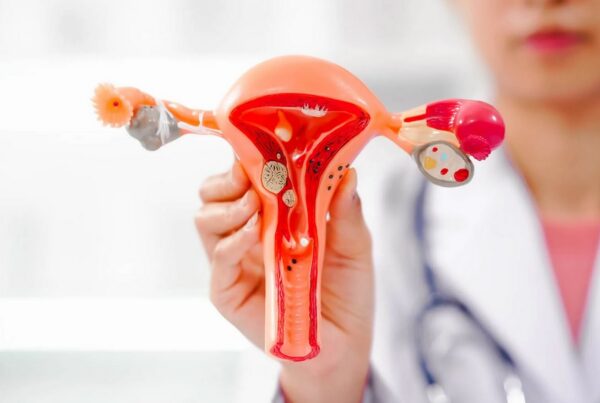


When your period shows up unpredictable and heavy, it’s not just about the physical discomfort—it’s the contingency bag you keep in your car, the meetings you schedule around “safe days,” and the constant what-if calculations that drain your mental energy. Uterine fibroid embolization (UFE), also called uterine artery embolization, offers a different path: a minimally invasive procedure that preserves your uterus while targeting the blood supply to fibroids.
Think of it like this: fibroids grow because they have their own dedicated blood flow. UFE works by closing that valve, reducing flow to the fibroids so they shrink over time. For many women, that translates to lighter, more predictable periods—and fewer backup plans on the calendar.
What UFE Is—And What It Actually Does
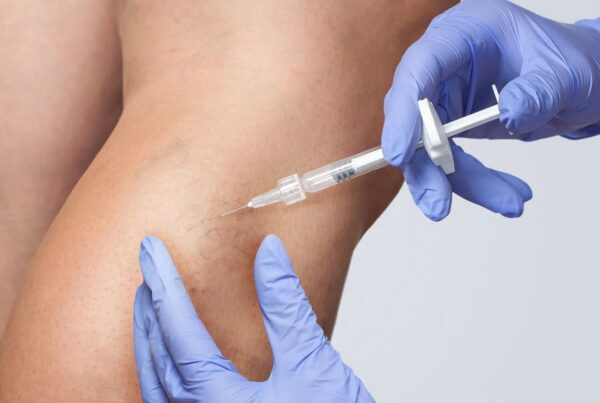
UFE is a catheter-based procedure that blocks blood flow to uterine fibroids without removing your uterus. During the procedure, an interventional radiologist guides a thin catheter through a small access point—typically in your wrist or groin—into the uterine arteries. Tiny particles are then released to reduce blood supply to the fibroids, causing them to shrink.
This approach is uterus-preserving and requires no large incisions. At Southern California Vascular Institute in Los Angeles, the procedure is performed using advanced imaging guidance to ensure precision and safety.
Who Might Be a Good Candidate?
Not everyone with fibroids needs intervention, but if heavy menstrual bleeding disrupts your work, travel, or daily routine, UFE might be worth exploring. Good candidates typically experience:
- Heavy periods that require frequent pad or tampon changes
- Menstrual cycles that feel unpredictable or impossible to plan around
- Pelvic pressure, bloating, or frequent urination due to fibroid size
- A desire to preserve the uterus and avoid more invasive options
Your clinician will confirm candidacy based on your symptoms, goals, and imaging results. Most women start with a diagnostic ultrasound to assess fibroid size, number, and location. If questions remain—such as distinguishing fibroids from other masses—an MRI may be recommended to refine the treatment plan.
Candidacy Clues Checklist
? I have heavy menstrual bleeding that disrupts daily activities
? My periods are unpredictable or require constant backup plans
? I experience pelvic pressure, bloating, or frequent urination
? I want to preserve my uterus
? I have had imaging (ultrasound or MRI) to confirm fibroids
? I’m looking for a minimally invasive option
Bring this checklist to your consultation. Your clinician will review your symptoms, imaging, and personal goals to determine if UFE aligns with your needs.
The Steps—From Imaging to Local Consultation
The journey to UFE follows a clear sequence designed to reduce uncertainty and build confidence:
- Initial intake and symptom review
You’ll discuss your menstrual patterns, how fibroids affect your daily life, and what you hope to achieve. This conversation helps your care team understand your priorities. - Imaging review
If you’ve already had an ultrasound or MRI, bring those records to your appointment. Imaging clarifies fibroid size, location, and number—all of which inform whether UFE is a good fit. If you haven’t had recent imaging, your clinician can order it as a next step. - In-person consultation
During your consultation at SCVI’s Los Angeles office, you’ll review imaging results, discuss the procedure in detail, and address any logistics questions—from what to expect on the day of the procedure to recovery milestones. - Scheduling and prep
Once you decide to move forward, the team will help you schedule the procedure and provide a consult-prep worksheet with specific instructions (what to bring, when to stop eating, medication adjustments, etc.).
Ready to take the first step? Schedule an appointment or call the Los Angeles office to discuss your options.
What the Day of UFE Looks Like
On the day of your procedure, you’ll arrive at the interventional radiology suite at SCVI. Here’s what happens:
Before the procedure: You’ll receive IV sedation to keep you comfortable. The access site—usually your wrist or groin—is numbed with local anesthesia.
During the procedure: A vascular and interventional radiologist with specialized training in endovascular techniques, guides a thin catheter through the artery to the uterine arteries that supply blood to the fibroids. Using real-time imaging, tiny particles are delivered to block the flow. Because fibroids depend on this blood supply to survive, cutting off the flow causes them to shrink over the following weeks and months.
After the procedure: You’ll spend a brief time in recovery before heading home the same day. Most patients experience cramping and fatigue in the first 24–48 hours, which is managed with pain medication and rest.
The procedure itself typically takes 60–90 minutes, though your total time at the facility will be longer to allow for prep and recovery monitoring.
Recovery Milestones: Week-by-Week Confidence
Recovery from UFE is highly individual, but here’s a general timeline many patients follow:
- Week 1: Expect cramping, fatigue, and the need to rest. Pain medication and anti-inflammatories help manage discomfort. Most patients stay home during this time.
- Weeks 2–3: Energy levels begin to improve. Some women return to light desk work or short errands, depending on how they feel and their clinician’s guidance.
- Weeks 4–6: Many resume normal routines, including moderate exercise and longer workdays. Follow-up imaging or appointments help track progress and confirm fibroids are shrinking as expected.
- Months 2–3: Menstrual cycles typically become lighter and more predictable as fibroids continue to shrink. Symptom improvement varies, but most women notice significant changes within the first few cycles post-procedure.
Recovery Milestones Timeline
? Week 1: Rest, manage cramping, follow pain medication schedule
? Week 2: Resume light activities (short walks, easy errands)
? Week 3: Check in with care team; consider return to desk work
? Week 4: Resume commute and moderate routines
? Week 6: Follow-up appointment to track progress
? Months 2–3: Expect lighter, more predictable periods
Your clinician will provide personalized guidance based on your symptoms, imaging results, and how you’re feeling. Follow-up appointments ensure you’re on track and address any concerns that arise.
For more support, visit SCVI’s Patient Resources to access forms, FAQs, and preparation guides.
FAQs
Is UFE uterus-preserving?
Yes. UFE targets blood flow to fibroids while leaving the uterus intact, making it an option for women who want to avoid hysterectomy or more invasive procedures.
Do I need imaging before my consult?
Imaging helps confirm candidacy and refine the treatment plan. If you have recent ultrasound or MRI results, bring them to your consultation. If not, your clinician can order imaging as a next step.
How soon can I get back to work?
Timelines vary based on your job, how you feel, and your clinician’s guidance. Many women return to light desk work within 2–3 weeks, while those with physically demanding jobs may need a bit longer.
Where is the procedure performed?
SCVI performs advanced minimally invasive vascular procedures at its Los Angeles office. Additional consultation locations are available in Huntington Park and Bakersfield.
Who performs UFE?
Dr. Amiel Moshfegh and the SCVI team specialize in endovascular and minimally invasive procedures, including uterine fibroid embolization. Dr. Moshfegh is a board-certified vascular and interventional radiologist with extensive training in catheter-based techniques.
Will my insurance cover UFE?
Coverage varies by plan. The SCVI team can help you understand your benefits and answer questions about the financial side of care during your consultation.
Next Steps
If you’re ready to explore whether UFE is right for you, here’s how to move forward:
Call to schedule an in-person consultation at SCVI’s Los Angeles office. You’ll discuss your symptoms, review imaging, and get answers to your specific questions.
Heavy, unpredictable bleeding doesn’t have to dictate your schedule. Uterine fibroid embolization offers a minimally invasive, uterus-preserving path to lighter periods and fewer backup plans. At Southern California Vascular Institute, Dr. Amiel Moshfegh and the SCVI team bring advanced endovascular expertise to every consultation and procedure.
Whether you’re just starting your research or ready to confirm candidacy, the first step is simple: schedule a consultation or contact the Los Angeles office to discuss your options. Bring your questions, your imaging records, and your goals—and leave with a clear path forward.